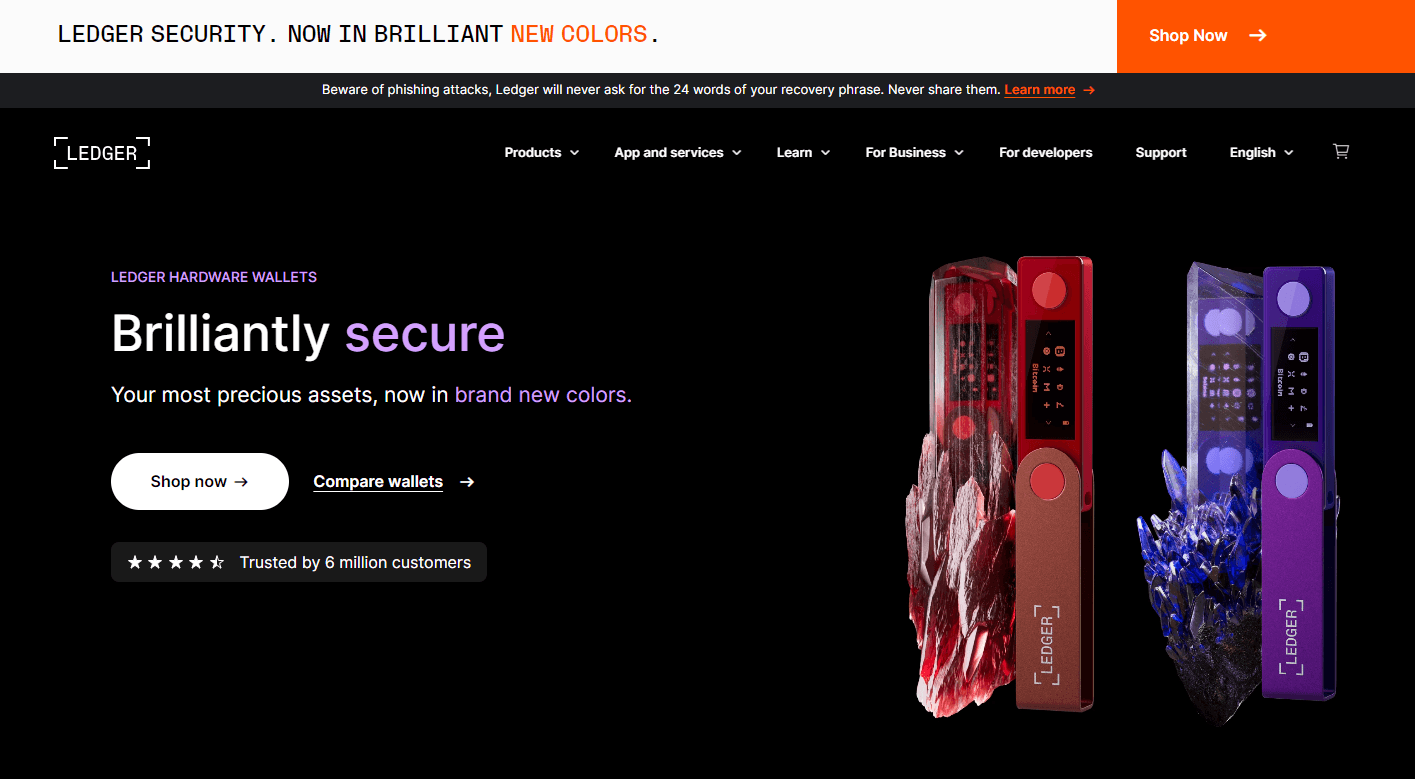
Ledger Login: A Detailed Guide to Accessing Your Ledger Hardware Wallet Safely
Managing cryptocurrency requires a balance of convenience and security. Hardware wallets provide one of the strongest protections available, and Ledger is among the most recognized brands in this category. Whether you hold Bitcoin, Ethereum, or multiple digital assets, understanding the Ledger login process is essential for managing your wallet safely through the official Ledger Live application. This guide explains how Ledger login works, why it’s different from typical online accounts, and how to use it securely.
What Makes Ledger Unique?
Ledger devices are designed to keep private keys offline, locked inside a secure hardware component. Unlike hot wallets or exchange-based accounts, Ledger never exposes your private keys to the internet. This makes it extremely difficult for hackers to access your assets remotely.
Popular Ledger models include:
Ledger Nano S Plus – a budget-friendly, secure option
Ledger Nano X – includes Bluetooth and larger memory
Ledger Stax – a premium device with an E-ink touchscreen
All these devices rely on one principle: your private keys never leave the hardware wallet.
What Does “Ledger Login” Really Mean?
Ledger does not use a traditional login system with a username, email, and password. Instead, the “login” refers to the process of accessing your wallet through Ledger Live, the official companion app.
Your Ledger login consists of these steps:
Opening Ledger Live
Connecting your Ledger device
Entering your device PIN
Unlocking access to your crypto accounts
There is no cloud-based login, no password reset, and no online recovery system. Your device and recovery phrase are the only ways to control your wallet.
Why Ledger Uses This Login Method
Ledger’s login approach is built around maximum security, ensuring only the rightful owner can manage the wallet. The design prevents remote hacks because:
The hardware wallet must be physically present
A correct PIN must be entered
Every transaction requires confirmation on the device
Private keys never touch Ledger Live or your computer
This system gives users complete ownership and drastically minimizes the risk of unauthorized access.
Before You Log In: Required Setup
Before using Ledger Live for the first time, you must complete several steps on the hardware device itself:
1. Initialize the Device
Turn on the device and follow the instructions to begin setup.
2. Create a PIN
Your PIN protects your device from unauthorized access. Choose a number that isn’t easy to guess.
3. Write Down Your Recovery Phrase
During setup, Ledger generates a 24-word recovery phrase. This phrase is the master key to your wallet.
Important rules:
Write it down on paper
Store it in a safe, offline location
Never save it digitally
Never share it
If someone steals your recovery phrase, they can access your crypto.
Step 1: Download Ledger Live
To begin the Ledger login process, download the Ledger Live application from the official Ledger website. Ledger Live is available for:
Windows
macOS
Linux
iOS
Android
Avoid downloading it from unverified sources, as fake software can steal your information. After installation, open the app and configure your basic settings.
Step 2: Connect Your Ledger Device
Plug your Ledger device into your computer using a USB cable. Ledger Nano X users can also connect via Bluetooth when using mobile devices.
Your device will prompt you to:
Enter your PIN
Unlock the device
Access any installed crypto apps
Once unlocked, Ledger Live will automatically detect your device.
Step 3: Complete Device Verification
Ledger Live includes a built-in feature that checks whether your device is genuine. This protects users from counterfeit or tampered hardware.
During verification, Ledger Live will:
Scan the device’s secure element
Confirm authenticity
Display confirmation if everything is valid
If there is any issue, the app will warn you to stop using the device.
Step 4: Access Your Accounts
After completing the login steps, you can add cryptocurrency accounts in Ledger Live. Each account corresponds to a specific blockchain.
For example:
Bitcoin requires the Bitcoin app
Ethereum requires the Ethereum app
Polygon, ERC-20 tokens, and NFTs also use the Ethereum app
You can view:
Account balances
Transaction histories
Portfolio summaries
Market movements
Ledger Live organizes everything in a clean interface so you can manage multi-asset portfolios easily.
Step 5: Sending and Receiving Crypto After Login
Receiving Crypto
Select the cryptocurrency account
Choose “Receive”
Verify the displayed address on both Ledger Live and your device
Share the verified address
Never send funds to an address that does not appear on your device screen.
Sending Crypto
Select your account
Enter the recipient address and amount
Review transaction fees
Physically confirm the transaction on your Ledger device
This double-confirmation system ensures top-tier security.
Step 6: Keeping Your Ledger Login Secure
Ledger provides excellent protection, but you must follow good security practices:
Never share your recovery phrase
Avoid entering your seed phrase into websites or apps
Keep your device PIN private
Install firmware updates promptly
Use Ledger Live only from the official source
Do not trust unsolicited messages claiming to be Ledger support
Your recovery phrase is the most sensitive part of your wallet. Protect it above everything else.
Step 7: Troubleshooting Ledger Login Issues
Here are common issues and solutions:
Device Not Connecting
Use a different USB cable
Try another USB port
Restart Ledger Live
Update firmware
PIN Problems
Double-check the numbers
Remember that too many incorrect attempts will reset the device
Ledger Live Errors
Update to the latest version
Clear cache in the settings
Reboot your computer
Final Thoughts
The Ledger login process is designed around strong physical security rather than traditional online access. By connecting your device, entering your PIN, and using Ledger Live, you gain safe, offline control of your crypto assets. Ledger empowers users to maintain complete ownership of their funds without relying on centralized platforms. When used correctly, it provides one of the most secure environments available for digital asset management.